Originally published on 01 January 2023 and transferred from the original BusaBoy blog in 2026.
Scuba diving is an exciting and adventurous water sport that allows you to explore the depths of the ocean and discover its hidden treasures. It is a thrilling way to experience the magical beauty of the underwater world and to see some of the most spectacular sights on earth. In this blog article, I will be talking about the wonderful world of scuba diving, its benefits, the different types of equipment you need, and some tips on how to stay safe while scuba diving. I will also discuss the magical beauty of the fish, shipwrecks, and reefs that you can explore with scuba diving. So, let's dive in and explore the amazing world of scuba diving!
The BusaBoy Dive Planner turns those basic variables into a visual profile with NDL, ascent, gas use and, when required, decompression. Open the Dive Planner →
What is Scuba Diving?
Scuba diving is a type of underwater activity that involves using a breathing apparatus to explore the depths of the ocean. Scuba diving allows you to stay underwater for extended periods of time and explore the beauty of the sea. It is a thrilling way to explore the unknown and discover the hidden treasures of the sea.
Scuba diving can be done in many different places, from the coral reefs of the Caribbean to the shipwrecks of the Mediterranean. The equipment that you need for scuba diving varies depending on where you are diving and the type of dive you are doing. Most scuba diving trips include a dive guide and a dive instructor who will show you the ropes and help you stay safe while scuba diving.
Benefits of Scuba Diving
Scuba diving is an exciting and thrilling way to explore the depths of the sea and discover its hidden treasures. It is also a great way to relax and destress, as the pressure of the water helps you to feel calm and relaxed. Scuba diving also allows you to connect with nature and appreciate the beauty of the underwater world. It can also help to improve your fitness and physical health, as it is a great way to get a good workout.
Scuba diving is also a great way to meet new people and make new friends. There are many scuba diving clubs and organizations that you can join, where you can meet other scuba divers and share your experiences.
Equipment and Safety Tips for Scuba Diving
When it comes to scuba diving, safety is paramount. Before you go scuba diving, you need to make sure that you have the right equipment and that you follow the correct safety procedures. The most important thing you need for a safe scuba diving trip is a good scuba diving mask. A good scuba diving mask will help you to see more clearly underwater and to stay comfortable while scuba diving.
You also need to make sure that you have a good scuba diving regulator, which is used to control the amount of air you can breathe underwater. It is also important to make sure that you have a good scuba diving suit, which will help to keep you warm and protect you from any sharp objects.
Finally, it is important to make sure that you are familiar with the safety procedures for scuba diving. This includes learning how to equalize your ears, how to find your way back to the surface, and how to rescue yourself in an emergency situation.
Seeing the Magical Beauty of Fish in Scuba Diving
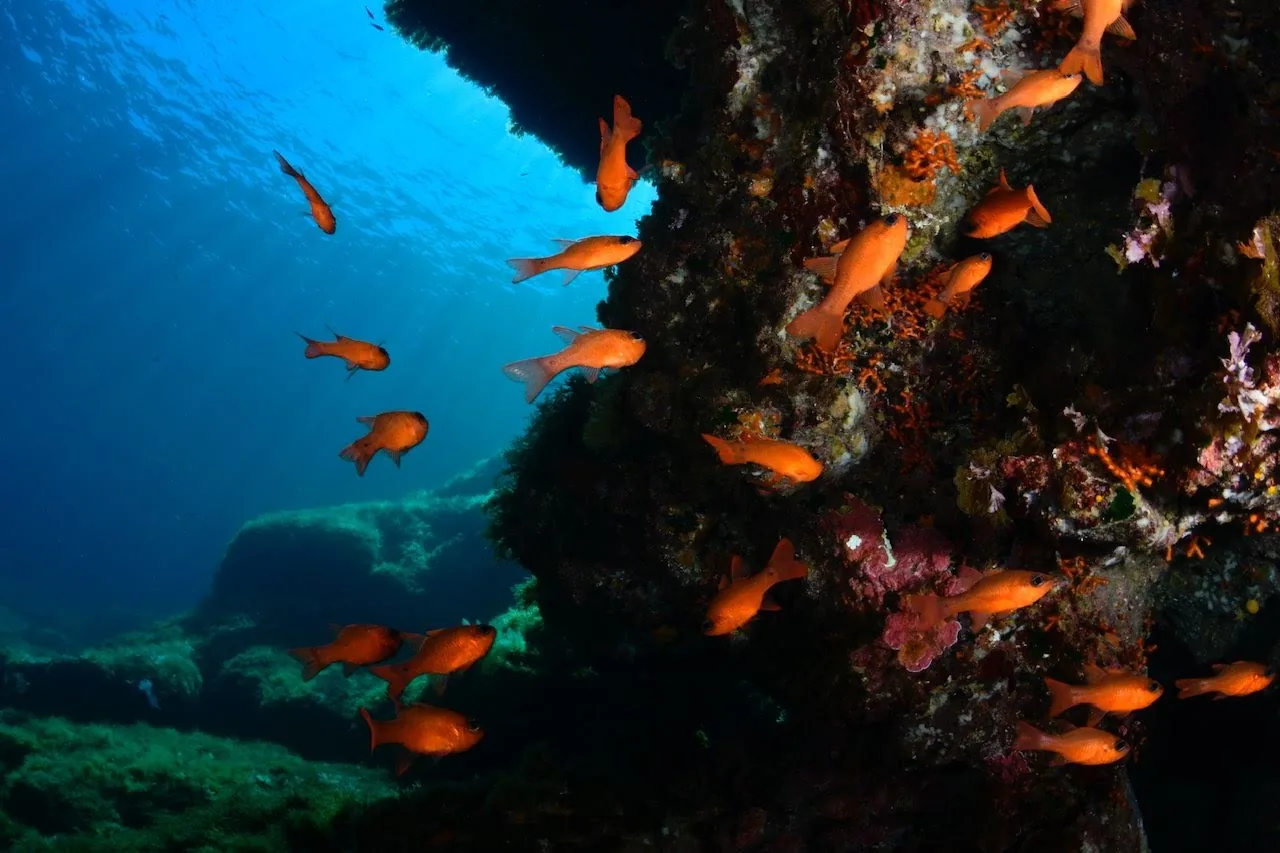
One of the best parts of scuba diving is seeing the magical beauty of the fish. The colours and patterns of the fish are truly mesmerizing and can be seen in all their glory when you go scuba diving. You can also witness the incredible behaviour of the fish, as they swim around in their natural environment.
When scuba diving, it is important to remember that the fish are just as curious about us as we are about them. It is important to be respectful of their environment and not to disturb them. It is also important to remember that some fish can be dangerous, so it is important to be aware of the different types of fish that you may encounter.
Exploring Shipwrecks and Reefs with Scuba Diving
Shipwrecks and reefs are some of the most fascinating sights that you can explore with scuba diving. Shipwrecks are a great way to explore the history of the sea and to witness the beauty of the underwater world. When scuba diving around a shipwreck, it is important to remember to be respectful of the area and not to touch or disturb anything.
Reefs are also a great way to explore the beauty of the underwater world. The vibrant colors of the coral and the variety of fish make reefs a sight to behold. It is important to remember to be respectful of the reef and not to touch or disturb anything.
Conclusion
Scuba diving is an exciting and thrilling way to explore the depths of the ocean and discover its hidden treasures. It is a great way to relax and destress, as the pressure of the water helps you to feel calm and relaxed. It is also a great way to connect with nature and appreciate the beauty of the underwater world.
When scuba diving, it is important to make sure that you have the right equipment and that you follow the correct safety procedures. It is also important to remember to be respectful of the environment and not to disturb the fish or the reefs.
Seeing the magical beauty of the fish, shipwrecks, and reefs that you can explore with scuba diving is an experience that you will never forget. So, what are you waiting for? Dive with me and explore the amazing world of scuba diving!
Enjoyed this article? If you'd like to help keep the BusaBoy Archive online, you can support the archive via PayPal.