Originally published on 24 February 2023 and transferred from the original BusaBoy blog in 2026.
.jpg)
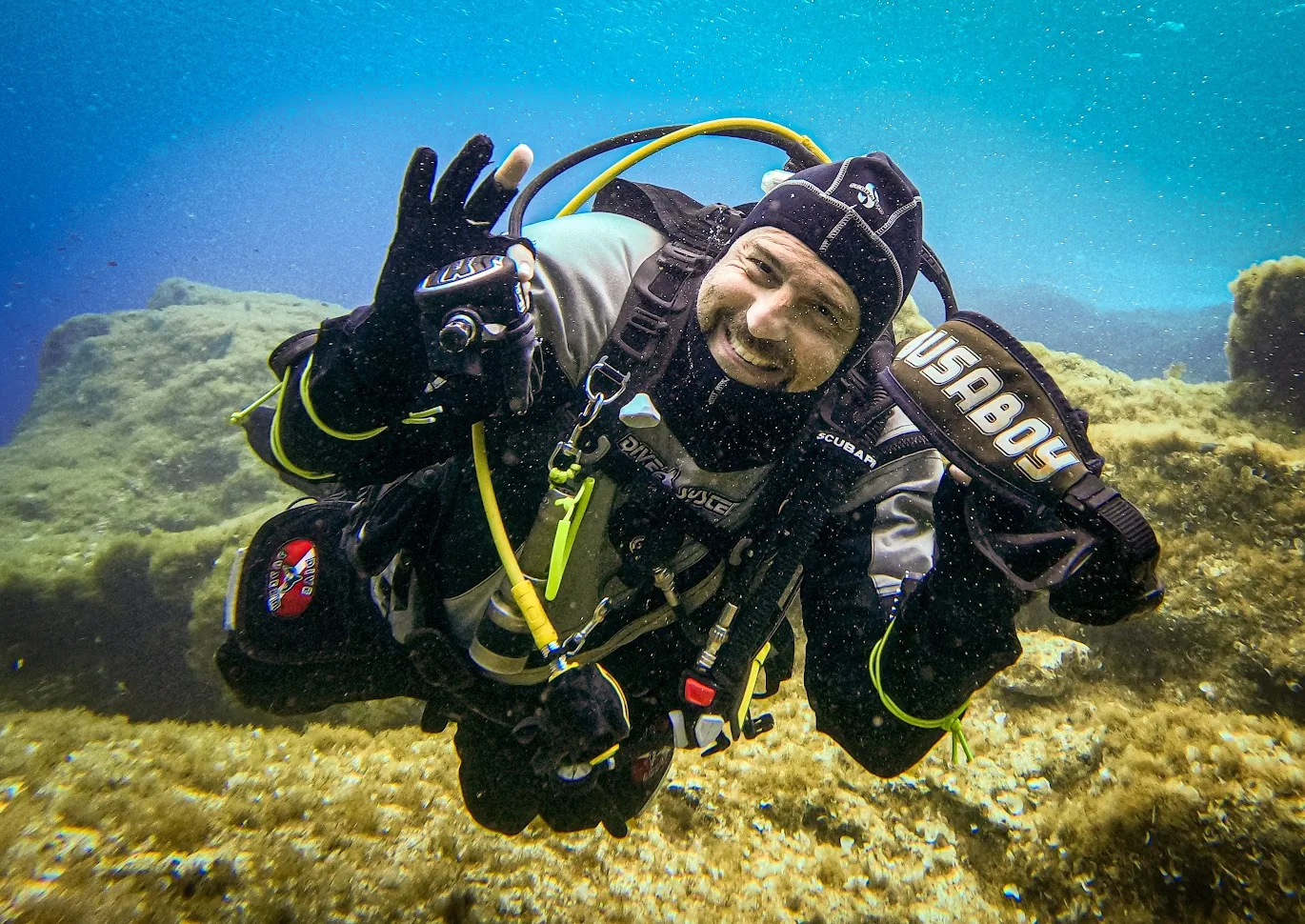
SCUBA diving is an exciting and thrilling activity that allows you to explore the underwater world in a whole new way. However, it is also important to remember that diving can be dangerous if proper safety measures are not followed. As a SCUBA diving Instructor with several years of experience, I have learned a few key safety tips that have helped me to have safe and enjoyable dives.
First and foremost, it is crucial to always dive with a buddy. Diving solo is never recommended, as it increases the risk of accidents or emergencies. Your dive buddy can provide assistance in case of any issues, and it is important to stay close to each other throughout the dive.
It is also important to properly plan your dive and pay attention to your surroundings. Know your limits and dive within them, and always be aware of your air supply. Make sure to communicate with your dive buddy and use hand signals to communicate any problems or concerns.
If the advice is to plan the dive and monitor gas, put actual numbers behind it: depth, runtime, RMV, cylinder volume, reserve and ascent can all be cross-checked in one place. Open the BusaBoy Dive Planner →
Another key safety tip is to always use the appropriate dive gear. Make sure to check and maintain your equipment regularly, and never use equipment that is damaged or not functioning properly. This includes your SCUBA tanks, regulators, and buoyancy control devices.
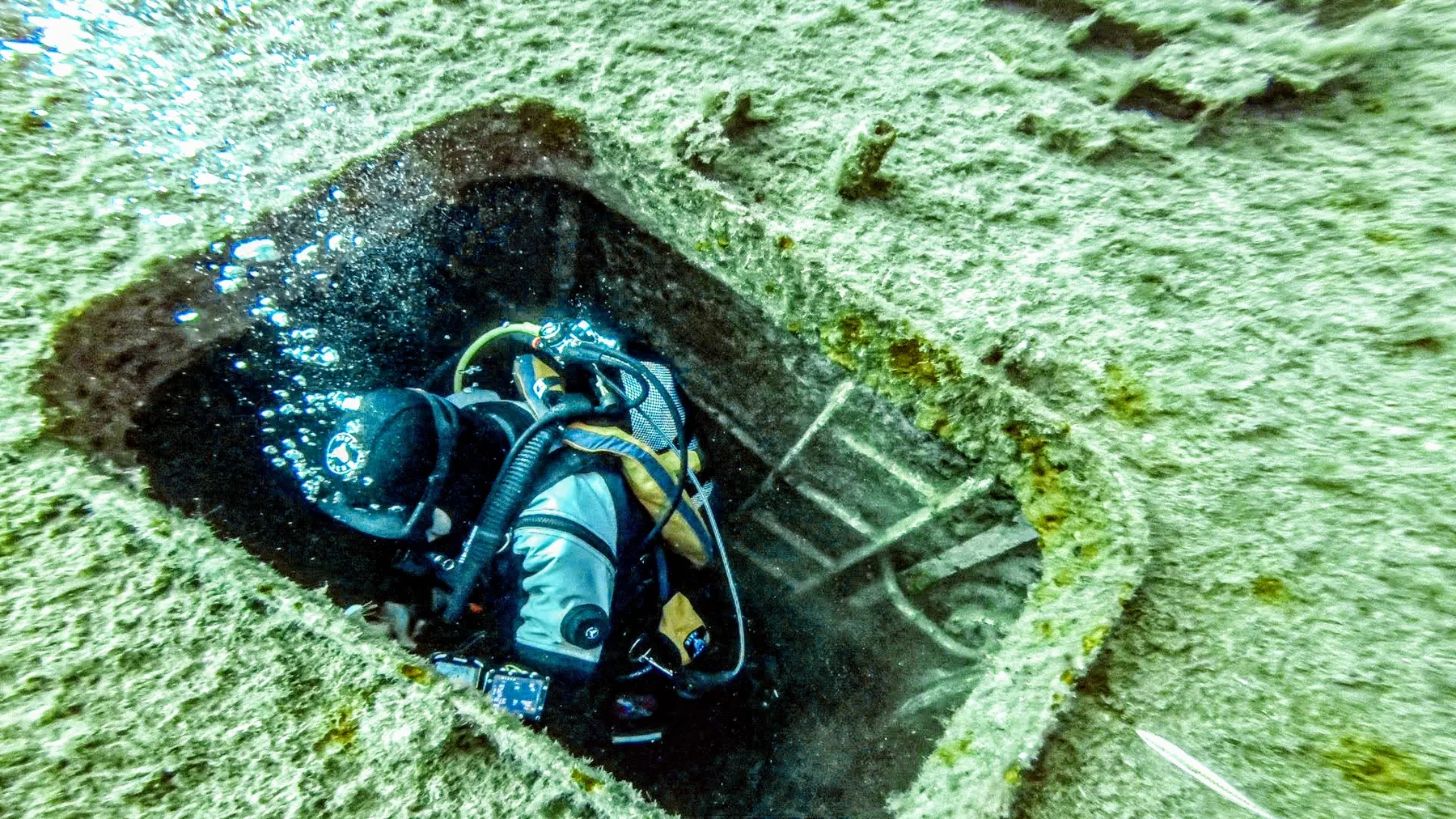
Additionally, it is important to pay attention to your dive environment and be aware of any potential hazards. Avoid touching or disturbing marine life, and be mindful of your movements to avoid accidentally damaging coral reefs.
Finally, it is essential to follow proper dive protocols and follow the guidance of your dive instructor or dive leader. This includes proper descent and ascent techniques, as well as emergency procedures in case of any issues.
By following these safety tips, you can ensure that your SCUBA diving experiences are both enjoyable and safe. Remember to always be aware of your surroundings and pay attention to your equipment and dive protocols, and you can have a fantastic diving experience.
Thank you for reading my blog. I hope you found the information and insights we shared to be valuable. Your thoughts and feedback are important to me, so please don't hesitate to leave a comment below. I'd love to hear your thoughts on the topic and any questions you may have. Additionally, if you found this blog helpful, please consider sharing it with your friends and colleagues on social media. Your support helps me to continue providing valuable content like this. Thanks again for reading!
Enjoyed this article? If you'd like to help keep the BusaBoy Archive online, you can support the archive via PayPal.