This former Blogger draft was fully rewritten, fact-checked and updated in July 2026.
Repeated days in the water once left me dealing with an irritated external ear canal. Like many divers, I heard about the vinegar-and-alcohol mixture commonly called “ear beer.” It can have a place in prevention, but it is easy to turn a simple idea into unsafe medical advice.
Ear beer is not a treatment for every painful ear, and it must never be used when an eardrum perforation is suspected.
What it is intended to do
A typical preventive mixture combines white vinegar and isopropyl alcohol. The alcohol helps dry the external ear canal, while the vinegar makes the canal more acidic and less favourable to bacterial growth. DAN describes it as a possible preventive measure for some divers prone to swimmer’s ear.
What it does not treat
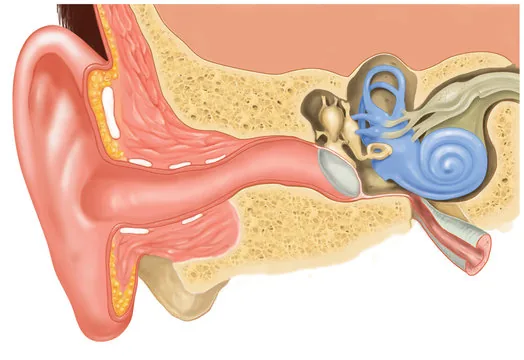
It does not treat middle-ear barotrauma, a perforated eardrum, inner-ear injury or an established infection that needs medical assessment. Pain after equalisation difficulty is not the same problem as moisture-related external-ear irritation.
Do not use drops when rupture is possible
Stop diving and seek medical advice if there is severe pain, discharge, bleeding, sudden hearing change, vertigo or a suspected rupture. Putting alcohol, acid or medication through a perforated eardrum can expose the middle and inner ear to harmful substances.
Better routine ear care
- Equalise early and gently; never force equalisation.
- After diving, rinse the outer ear with clean fresh water when appropriate and dry it gently.
- Do not insert cotton buds or objects into the ear canal.
- Use preventive drops only after a clinician has confirmed they are appropriate for you and the eardrum is intact.
- Do not rely on ear beer after contaminated-water exposure.
My practical conclusion
The useful part of the old diver tradition is prevention and attention. The dangerous part is treating every ear symptom with the same bottle. When the symptom is unclear, the correct tool is a qualified medical assessment.
Sources and further reading
Enjoyed this article? If you'd like to help keep the BusaBoy Archive online, you can support the archive via PayPal.