This former Blogger draft was fully rewritten, fact-checked and updated in July 2026.
The risk of a shark bite is low, but “low” is not the same as “zero.” Sharks are wild animals with different species, feeding strategies and responses to people. Respect is more useful than either panic or the claim that every shark is harmless.
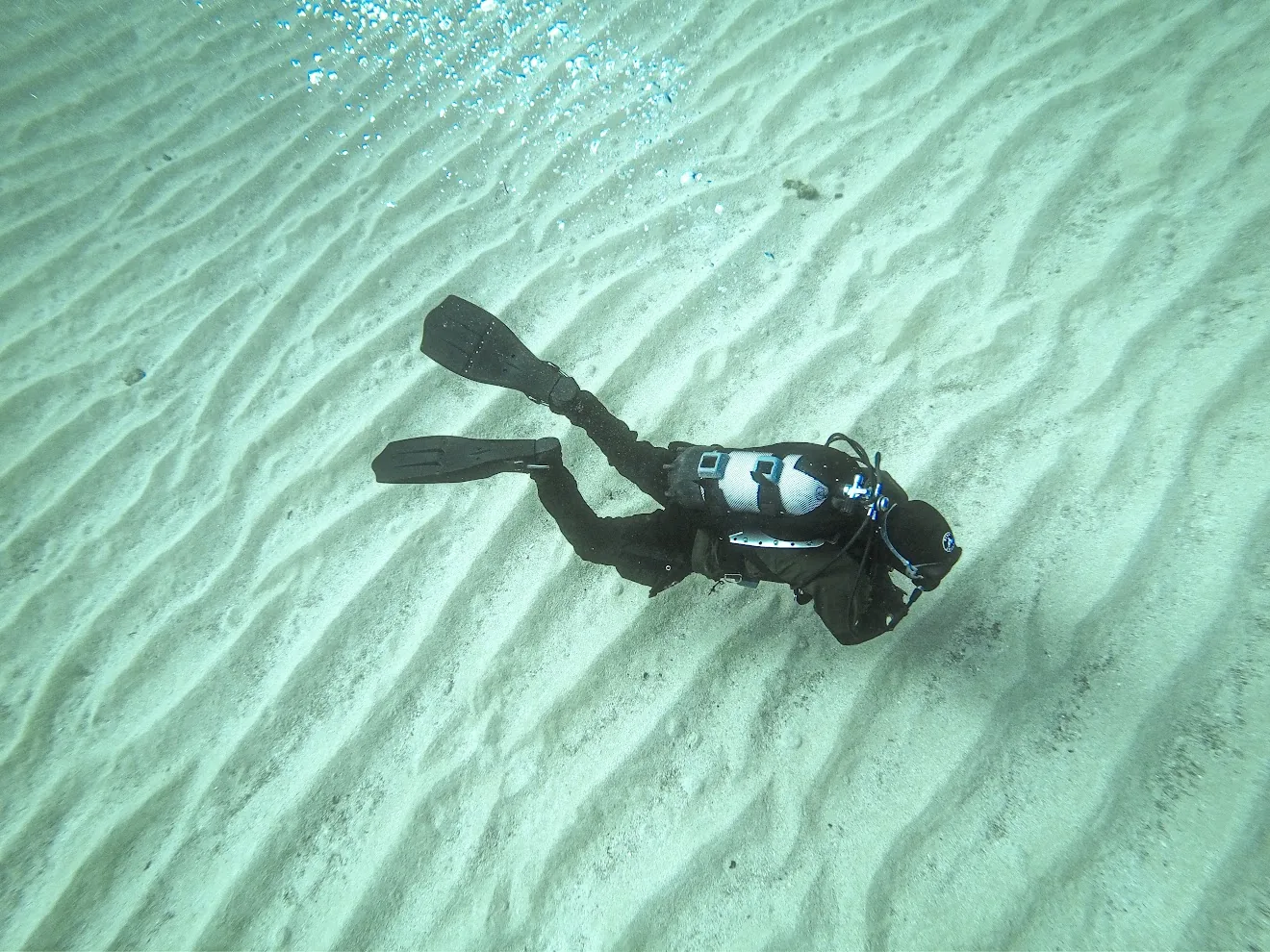
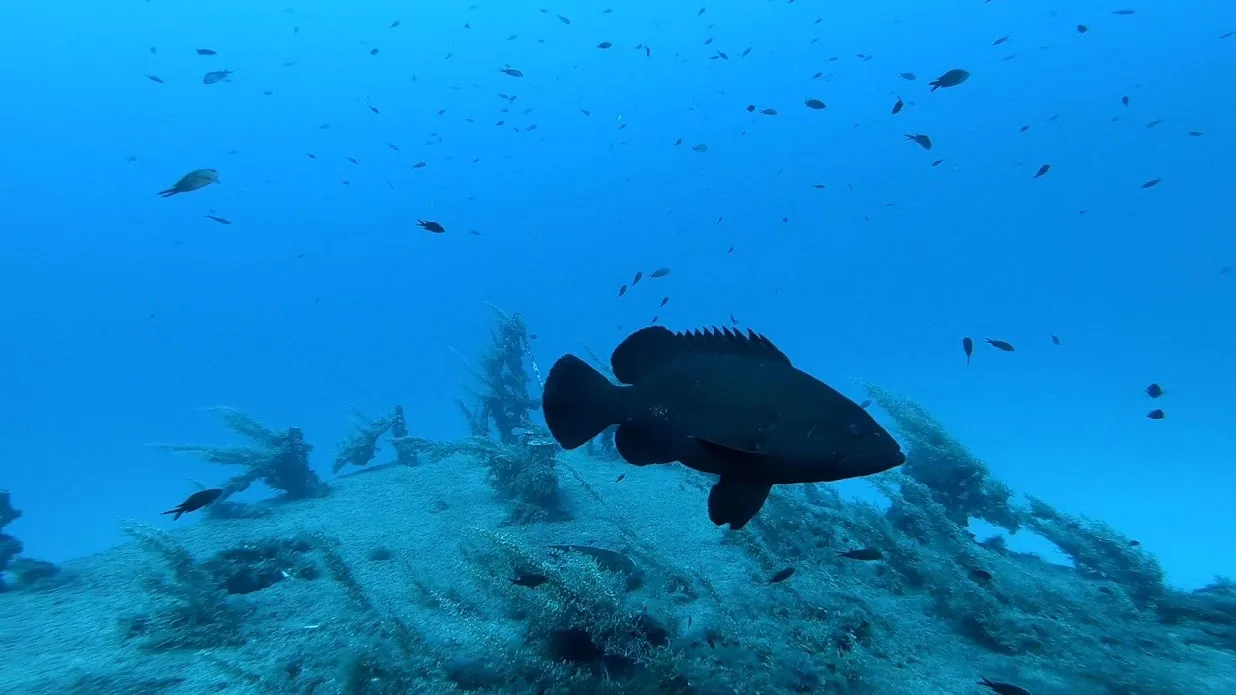
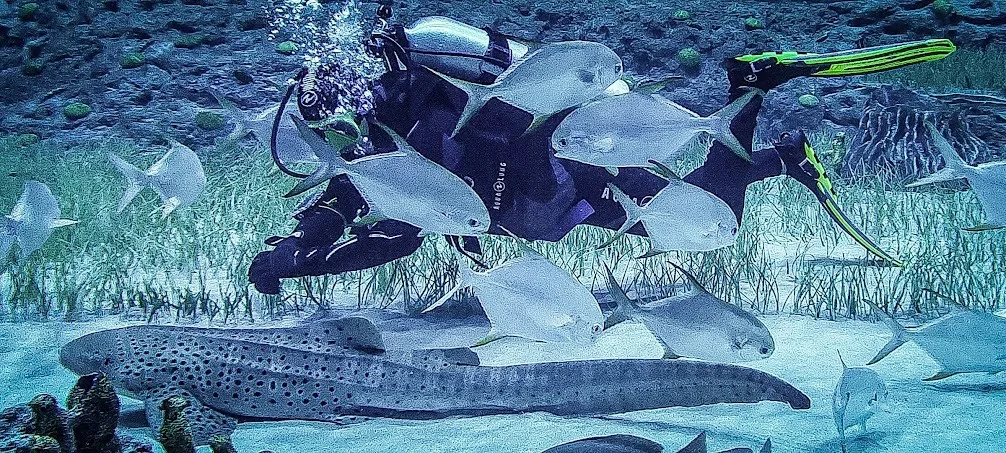
My encounters as a diver have generally involved animals maintaining distance or passing without interest. That personal experience does not create a rule for every situation.
Divers are not the same as surface users
Many well-known bite patterns involve swimmers or surfers near the surface. A controlled scuba encounter has a different silhouette, sound and behaviour. This may help explain why ordinary diver encounters are usually uneventful, but it does not remove the need for awareness.
“Mistaken identity” is incomplete
Mistaken identity may explain some rapid hit-and-run incidents, but not every bite has one cause. Investigation considers species, visibility, prey activity, fishing, food conditioning and human behaviour. Simple explanations are attractive but can be scientifically weak.
Responsible behaviour
- Do not feed, chase, touch or corner a shark.
- Keep the team together and maintain calm, controlled movement.
- Follow local briefings about species and conditions.
- Avoid carrying speared fish where predatory activity is expected.
- Allow the animal a clear route and end the interaction if behaviour changes.
Why sharks matter
Sharks occupy many ecological roles, from large predators to small benthic species. Their value is not limited to tourism or dramatic encounters. Conservation depends on fisheries management, habitat, research and changing the language that treats all sharks as monsters.
The message I prefer
Do not be terrified of sharks, and do not be careless around them. Learn the species, listen to the briefing, control your behaviour and accept that the ocean is not a controlled studio.
Sources and further reading
Enjoyed this article? If you'd like to help keep the BusaBoy Archive online, you can support the archive via PayPal.