This substantial draft was written in 2023, recovered from Blogger and published as part of the 2026 heritage restoration. Obsolete signatures and formatting were removed.
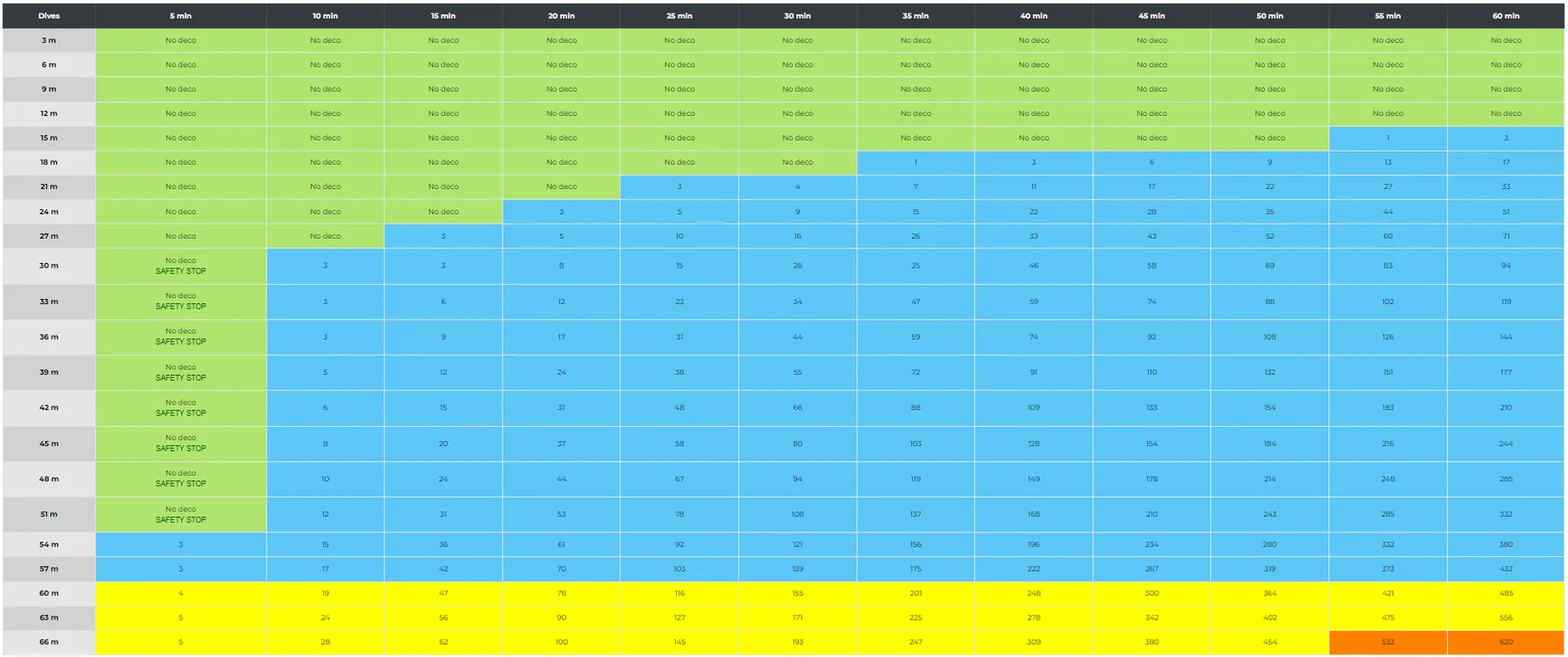
SCUBA diving is a popular recreational activity that allows people to explore the underwater world. One of the most important aspects of diving is managing the risk of decompression sickness, which can occur when a diver ascends too quickly from deep depths. To help divers manage this risk, various models have been developed to calculate dive profiles and decompression times. One such model is the Reduced Gradient Bubble model (RGBM).
The RGBM model was developed by Dr. Bruce Wienke in the late 1990s, and it is now widely used in dive computers and dive planning software. The model is based on the concept of "microbubbles" which are small gas bubbles that form in the body during a dive. These bubbles can cause decompression sickness if they grow too large. The RGBM model is designed to minimize the formation of these bubbles by using a "reduced gradient" algorithm that limits the rate of ascent.
One of the key features of the RGBM model is its ability to account for repetitive dives. This is important because the risk of decompression sickness increases with the number of dives a person does in a given time period. The RGBM model uses a "group" system, which groups together dives of similar depth and duration, and calculates the overall risk of decompression sickness based on the total number of groups.
Another important feature of the RGBM model is its ability to account for the "dive history" of the individual diver which can affect the risk of decompression sickness.
In conclusion, the RGBM model is a powerful tool for managing the risk of decompression sickness in SCUBA diving. Its ability to account for repetitive dives and individual dive history make it a valuable resource for divers and dive professionals. However, it is important to note that RGBM model is not perfect, and divers should always follow safe diving practices, including proper dive planning and monitoring of dive computers.