This former Blogger draft was fully rewritten, fact-checked and updated in July 2026.
“Do not touch” is a useful starting rule because most recreational divers have no reason to handle wildlife or the reef. The deeper lesson is that responsible interaction depends on buoyancy, distance, fin awareness and the willingness to let the animal control the encounter.
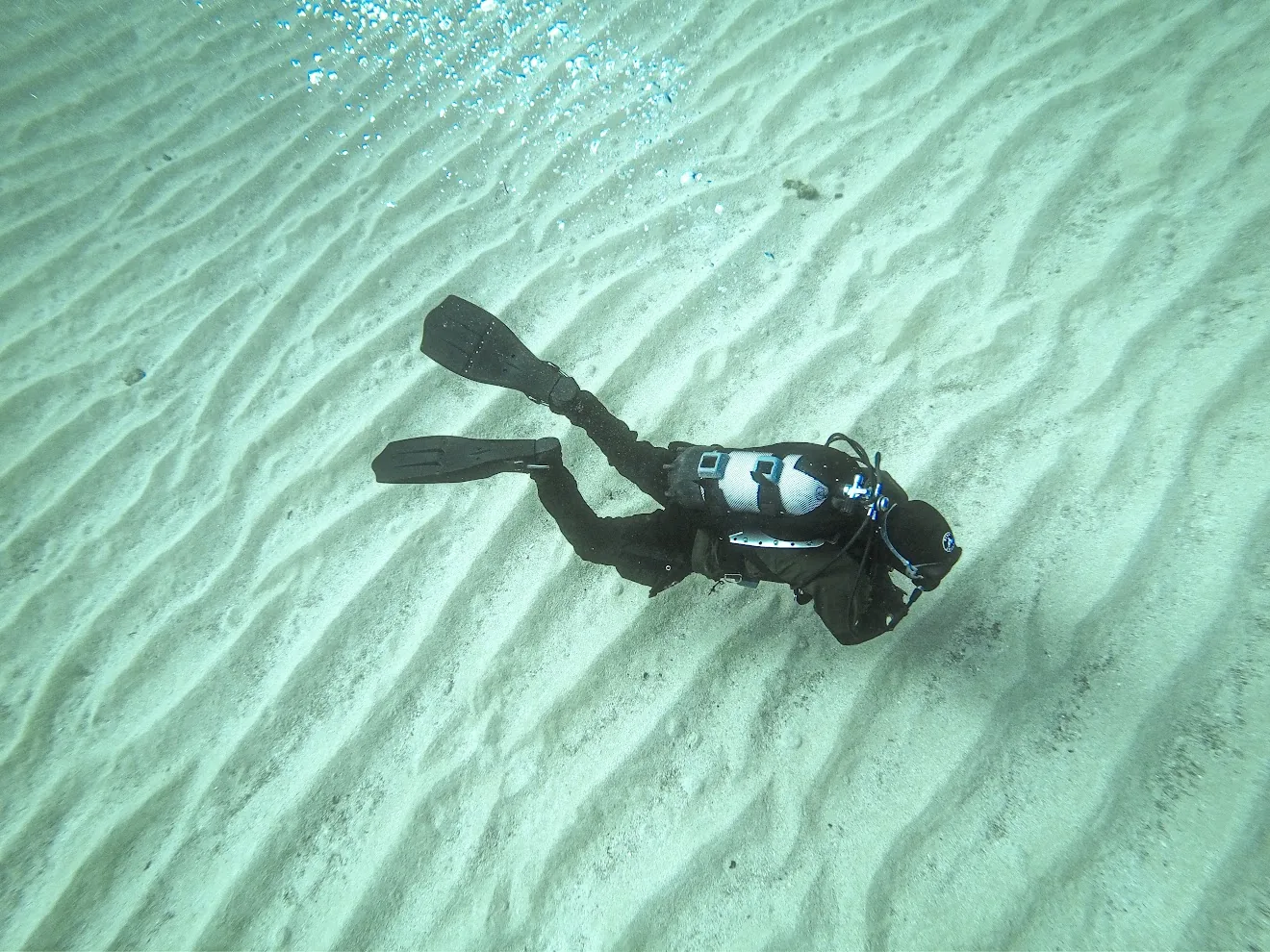
A diver can damage the environment without using a hand. A fin, dangling gauge, camera housing or knee can do the same work.
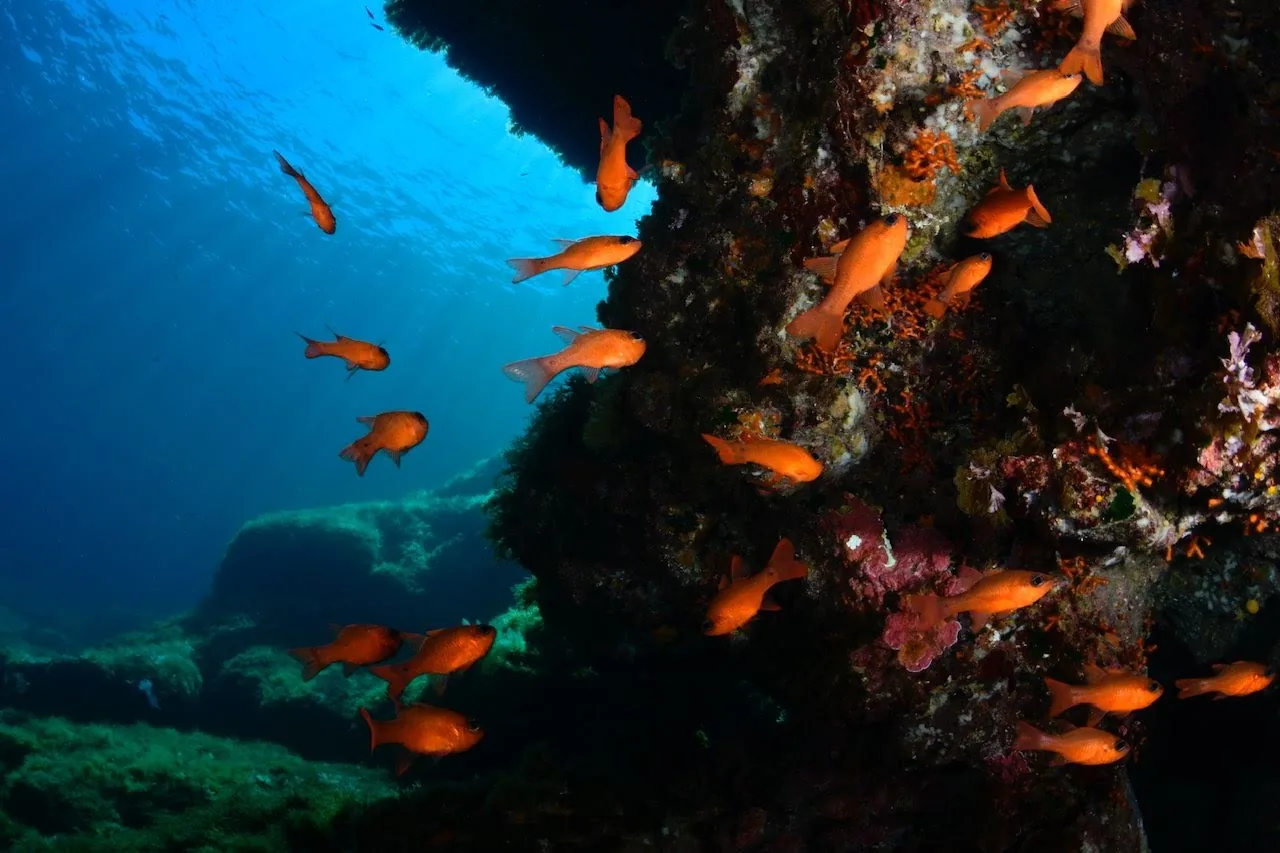
Coral and substrate
Coral tissue can be damaged by contact, and sediment kicked up by fins can cover small organisms or ruin visibility for the whole group. Maintain enough distance to stop without grabbing and adjust weighting before attempting close photography.
Wildlife needs an exit
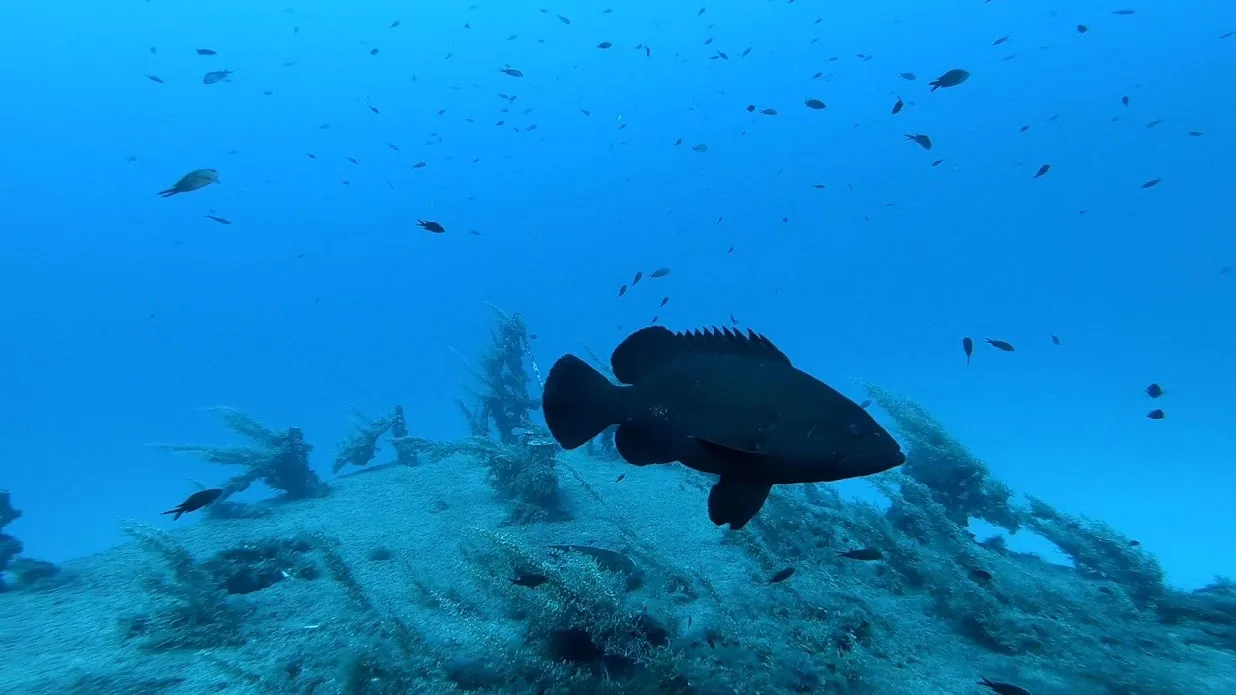
Do not block a turtle, ray, octopus or fish against the reef. Avoid following an animal repeatedly for a photograph. If it changes direction to escape, hides or increases speed, the interaction is already affecting its behaviour.
Photography is not an exemption
- Set camera controls before approaching the subject.
- Use stable buoyancy rather than resting on the bottom.
- Limit flashes and repeated approaches when the animal shows stress.
- Do not move animals or objects to improve composition.
- Do not let the viewfinder remove awareness of the buddy and environment.
Feeding changes behaviour
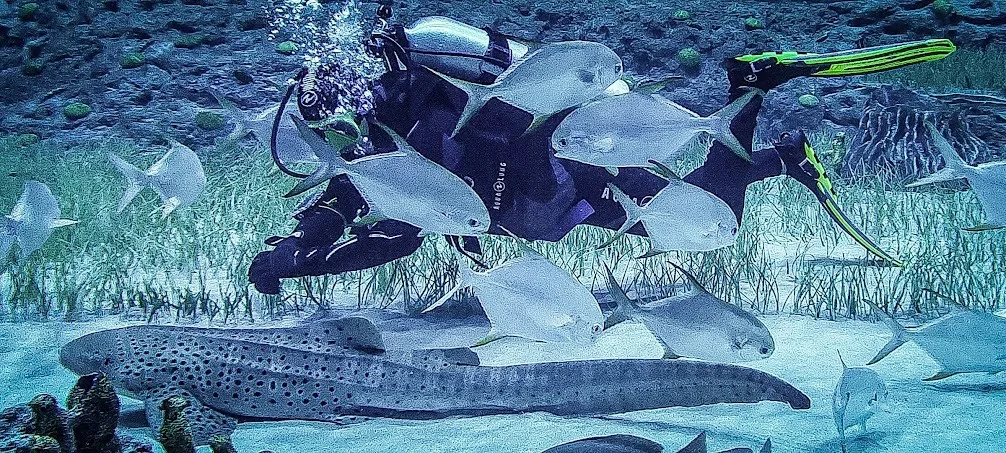
Feeding may condition wildlife to associate divers with food, concentrate animals unnaturally or increase competitive behaviour. Follow local rules and do not create an encounter for social-media content.
Exceptions require a purpose and training
Scientific sampling, rescue, veterinary work and controlled conservation may require contact. These are not examples for ordinary visitors to copy. The contact is justified by a defined purpose, procedure and competence.
The reward of restraint
The best encounter is often the one in which the animal continues what it was doing before we arrived. Good buoyancy and patience allow us to see more precisely while leaving less evidence that we were there.