
This former Blogger draft was fully rewritten, fact-checked and updated in July 2026.
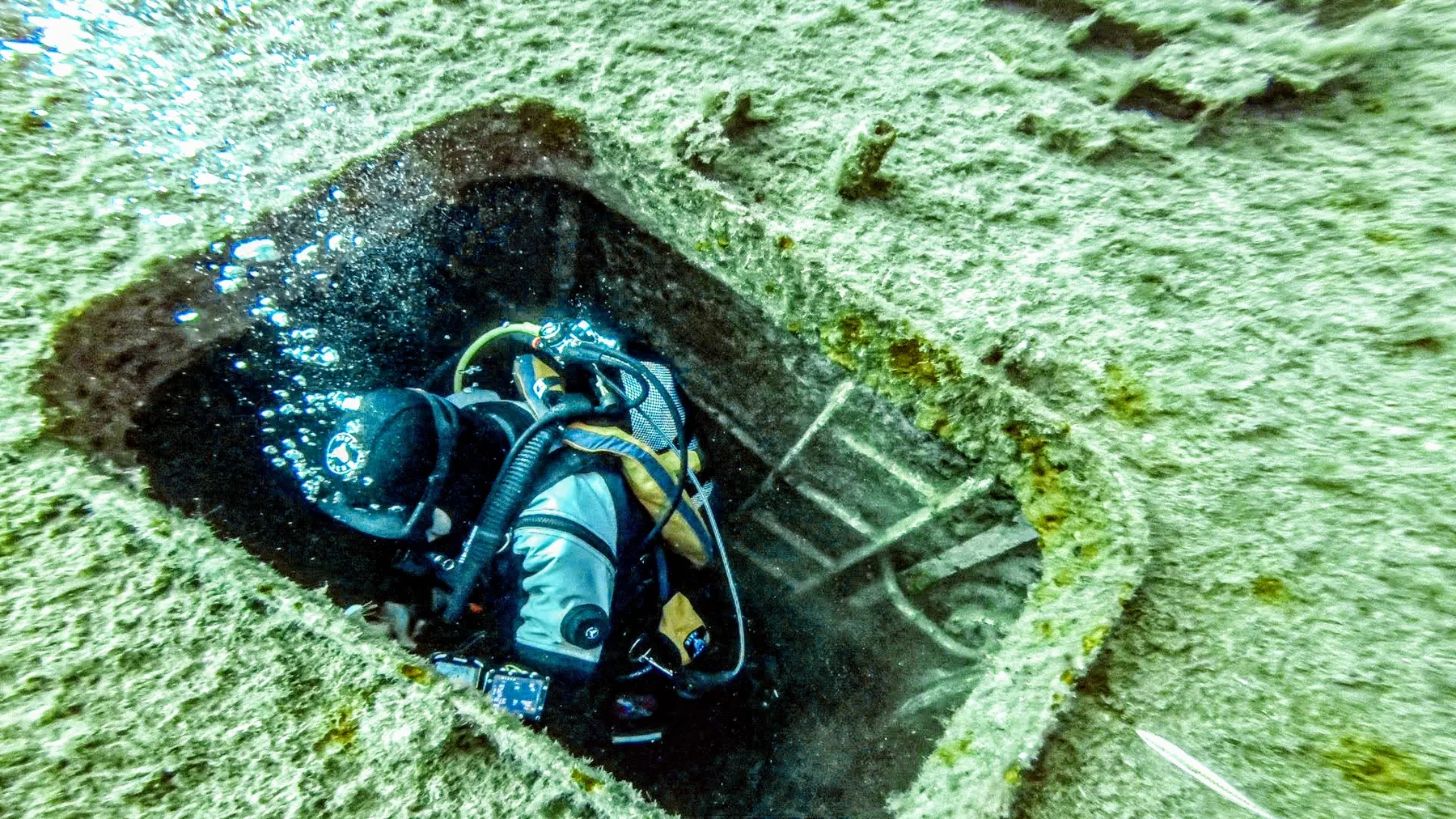
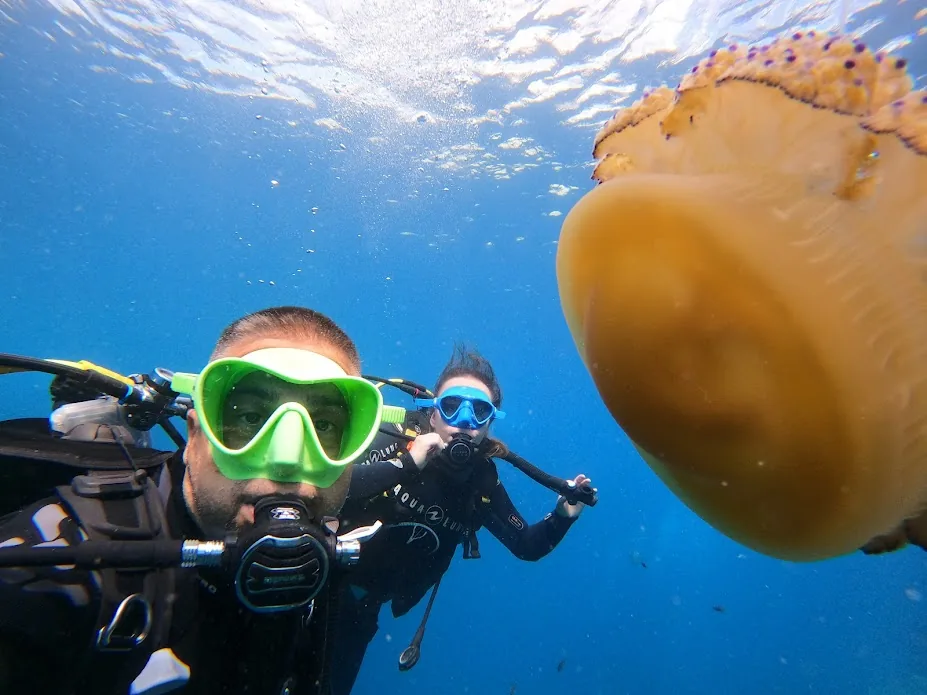
When I say that I have more than 3,600 dives, I mean 3,600 documented dives. The real total is certainly higher because not every working or informal water entry made it into the record, but I prefer a number I can support with a logbook.
Many experienced divers stop logging because they no longer need proof for a course. For me, that is exactly when the log becomes more valuable: it changes from a requirement into a personal dataset.
What I record
- Date, site, maximum and average depth, duration and water temperature.
- Cylinder, breathing gas and starting/ending pressure.
- Exposure suit, total ballast and weight placement.
- Configuration, camera, DPV or special equipment.
- Conditions, route, buddy and purpose of the dive.
- Problems, changes and one lesson worth remembering.
A useful habit is to keep the pre-dive plan and the executed profile mentally connected. Build the intended profile first, then compare what actually happened with the computer log afterwards. Build the planned profile →
The log prevents repeated mistakes
A note about being cold, using too much weight, choosing the wrong lens or reaching a turn point with less gas than expected becomes useful before the next similar dive. Memory tends to preserve the story and lose the settings.
It reveals long-term patterns
With enough entries, the log can show how gas consumption changed, which sites were repeated, how often a particular configuration was used and how training or work affected the type of diving. It can also distinguish a confident estimate from a documented fact.
Paper or digital?
Both work. Paper is immediate, personal and independent of software. Digital logs are easier to search, map, back up and analyse. The best system is the one you will maintain. I value backups because losing decades of entries would mean losing part of the BusaBoy history.
What a logbook cannot prove
A high number does not prove current competence, judgment or teaching ability. Dives vary enormously. The value is in the detail and the lessons, not in using a number as decoration.
A heritage, not just a statistic
The new BusaBoy website exists for the same reason as the logbook: experiences are useful only if they are preserved in a form that can be revisited and shared.
Sources and further reading
Enjoyed this article? If you'd like to help keep the BusaBoy Archive online, you can support the archive via PayPal.