Originally published on 21 February 2023 and transferred from the original BusaBoy blog in 2026.
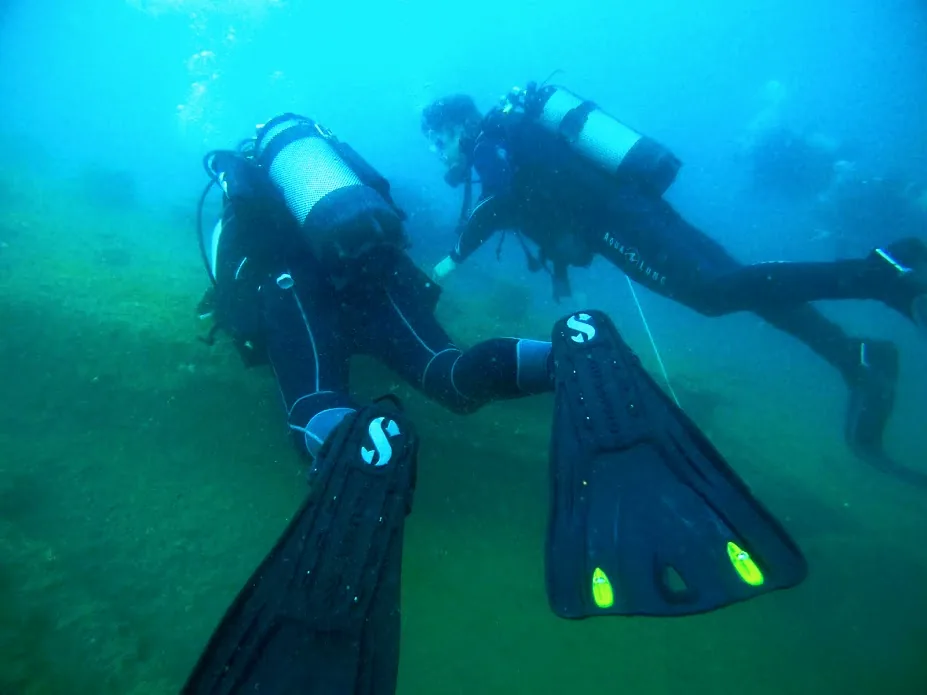
Fins look simple, but they influence propulsion, trim, ankle comfort, frog kicks, current work and even how much weight you end up carrying on your feet. That is why I do not think there is one “best fin” for every diver.
Open heel or full foot?
Full-foot fins are light and simple and make sense for some warm-water diving and snorkelling. Open-heel fins are more common in scuba because they work with boots and allow a wider choice of stiffness, material and foot-pocket design. For cold water, shore entries and technical configurations, the boot-and-open-heel combination is usually the practical one.
Shape changes the way a fin feels
Traditional paddle fins can give a very direct response and work well with a range of propulsion techniques. Split and hinged designs aim to reduce effort in different ways, but the feel is very different. A design that one diver loves can feel vague or awkward to another.
The important question is not which design wins an argument online. It is whether you can control your position and move efficiently with the kicks you actually use.
Material and weight matter underwater
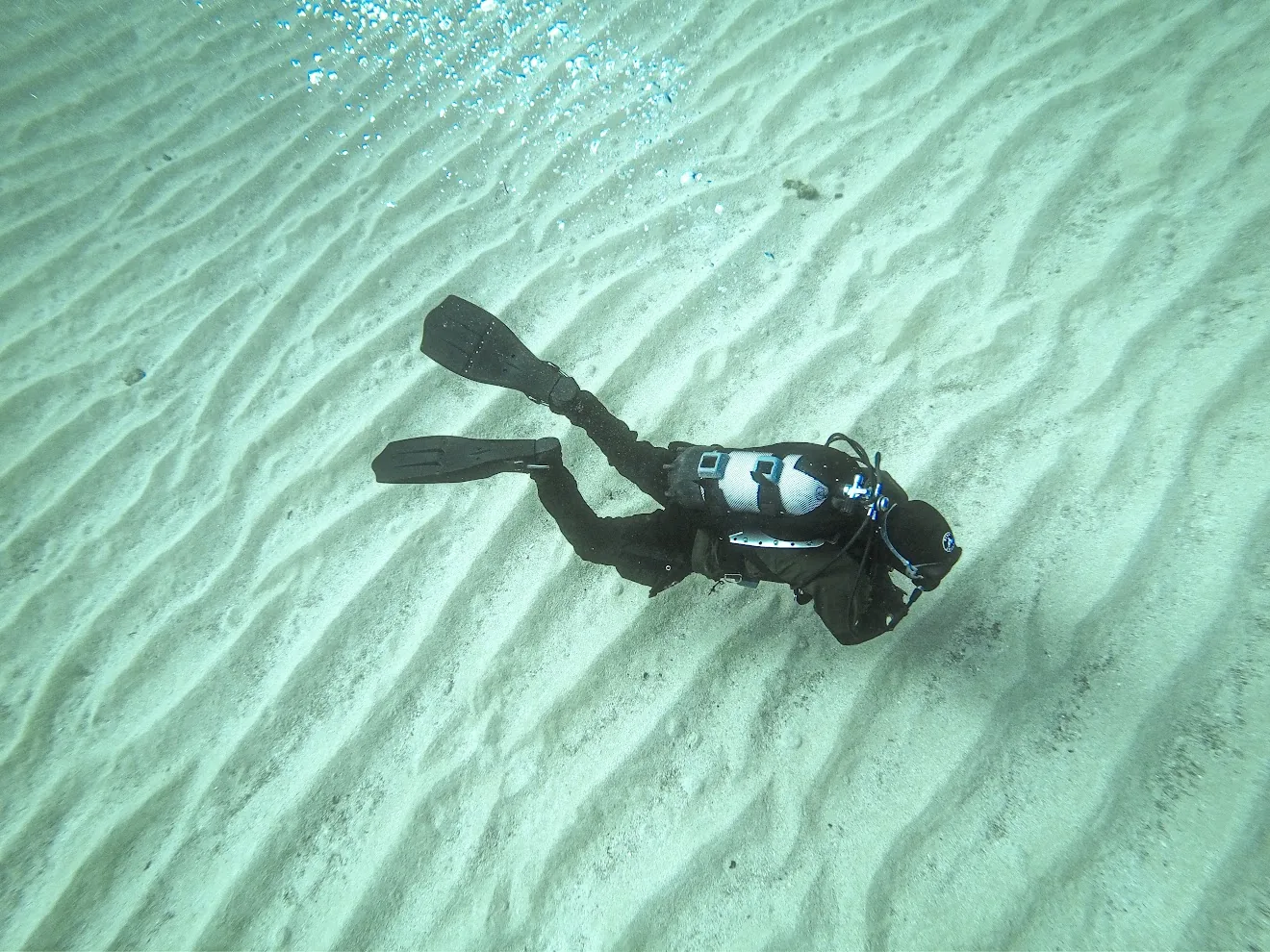
Plastic, rubber and composite materials can produce very different stiffness and buoyancy. A heavy rubber fin can help a diver whose feet are too buoyant, while the same fin may make another diver feel foot-heavy. Lightweight fins can be excellent for travel but may change trim with a drysuit or thick boots.
This is one reason I own different fins rather than expecting one pair to cover every configuration.
Fit comes before theory
A technically impressive fin is useless if the foot pocket creates pressure points or the strap lets your heel move. Try fins with the boots you actually dive in. Check that you can put them on and remove them with the exposure protection you normally wear.
Choose for the mission
For relaxed recreational diving, travel weight may matter. For a drysuit or technical setup, buoyancy and precise control may matter more. With a DPV, a fin may spend much of the dive doing small corrections rather than continuous propulsion. Current, entry method and the type of kick all change the answer.
If possible, borrow or rent before buying. Fins are one of those pieces of equipment where ten minutes in the water can tell you more than a long specification table.