Originally published on 25 March 2023 and transferred from the original BusaBoy blog in 2026.

As a SCUBA diving instructor, I have had the privilege of introducing countless people to the amazing world of scuba diving. Whether you're a beginner or a seasoned pro, there are always tips and tricks that can make your diving experience safer and more enjoyable. Here are some of my top SCUBA diving tips for beginners based on my personal experience:
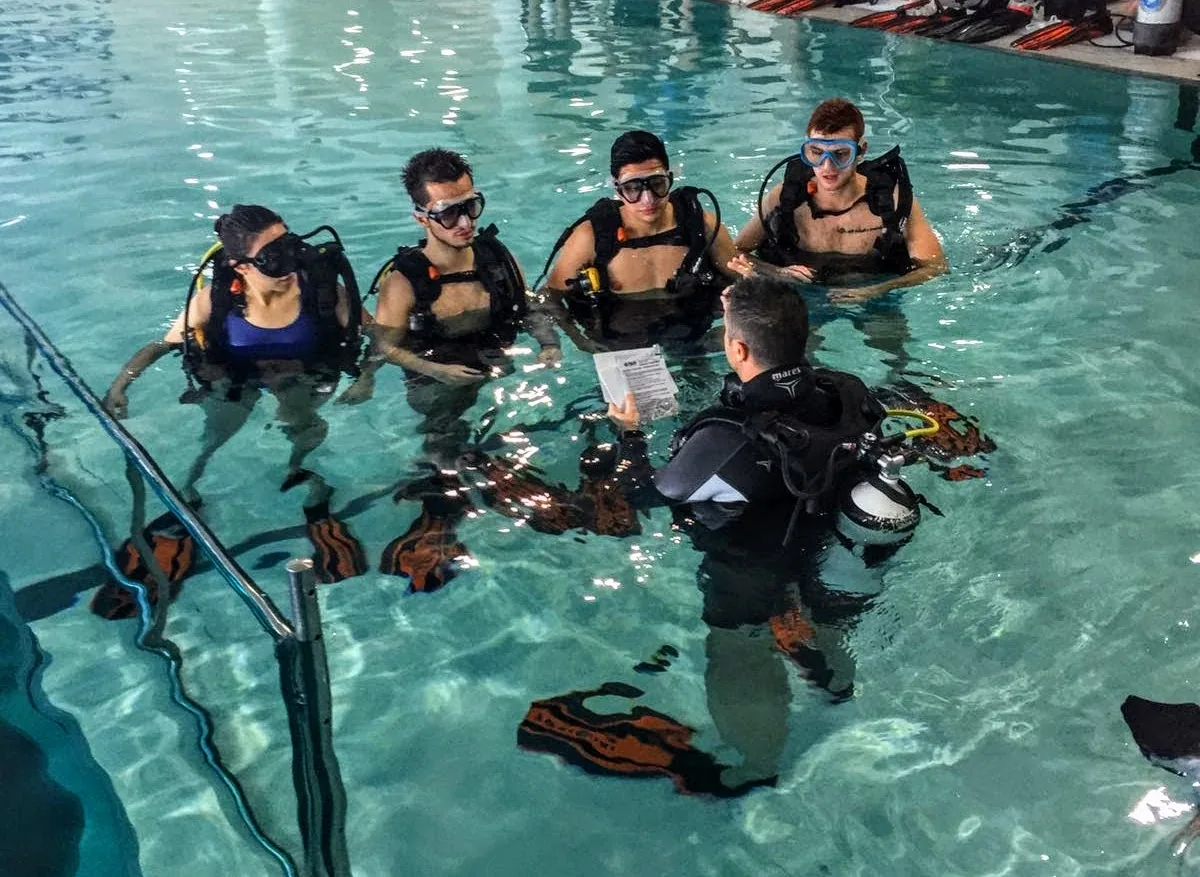
Get certified: The first and most important step in becoming a scuba diver is to get certified. This will not only give you the knowledge and skills to dive safely, but it will also give you peace of mind knowing that you are diving with the proper training and equipment. Look for a reputable diving school that offers a variety of courses, from beginner to advanced.
Practice buoyancy control: Buoyancy control is one of the most important skills a diver can have. It allows you to move effortlessly through the water and avoid damaging coral reefs or other marine life. To practice buoyancy control, start by becoming comfortable with your diving equipment. Then, try hovering in place and gradually make small movements up and down.
Use proper dive weights: Proper weighting is essential for maintaining buoyancy and control during a dive. If you're too heavy, you'll sink like a rock, and if you're too light, you'll struggle to stay submerged. To find the right weight for you, start with a basic weight calculation and then adjust as needed during your dive.
Plan your dive: Before diving, it's important to plan your dive and review your dive plan with your diving buddy. This includes checking your dive computer or dive table, reviewing hand signals, and making sure you have enough air for the dive. Planning ahead can help prevent accidents and ensure a smooth and enjoyable dive.
For learning purposes, a simple no-stop profile can make depth, runtime, NDL, gas use and the safety stop easier to visualise. It complements training; it does not replace an instructor or your dive computer. Try a simple profile in the BusaBoy Dive Planner →
Stay within your limits: Scuba diving is an exciting and thrilling activity, but it's important to always stay within your limits. Don't push yourself too hard, and always listen to your body. If you're feeling tired or uncomfortable, it's okay to take a break or call it a day.
Use a dive flag: A dive flag is a universally recognized symbol that indicates that divers are in the area. It's important to use a dive flag while diving, especially if you're diving in an area where there is boat traffic. This will help prevent collisions and ensure the safety of all divers.
Follow the dive briefing: Before diving, you'll receive a dive briefing from your instructor or dive leader. This briefing covers important information about the dive site, any potential hazards, and the planned dive profile. It's important to listen carefully to the briefing and follow all instructions to ensure a safe and successful dive.
In conclusion, scuba diving is an amazing activity that allows you to explore the underwater world in a unique and exciting way. By following these tips and listening to your instructor or dive leader, you can have a safe and enjoyable diving experience. Happy diving!
Thank you for reading my blog. I hope you found the information and insights we shared to be valuable. Your thoughts and feedback are important to me, so please don't hesitate to leave a comment below. I'd love to hear your thoughts on the topic and any questions you may have. Additionally, if you found this blog helpful, please consider sharing it with your friends and colleagues on social media. Your support helps me to continue providing valuable content like this. Thanks again for reading!
Enjoyed this article? If you'd like to help keep the BusaBoy Archive online, you can support the archive via PayPal.