Originally published on 14 December 2023 and transferred from the original BusaBoy blog in 2026.
Exploring the mesmerizing underwater world through SCUBA diving is a thrilling adventure, but it comes with its share of challenges and risks. One psychological phenomenon that can significantly impact the safety of divers is the Dunning-Kruger effect. Named after psychologists David Dunning and Justin Kruger, this cognitive bias can lead divers to overestimate their abilities, potentially putting themselves and others in harm's way.
Understanding the Dunning-Kruger Effect:
In 1999, Dunning and Kruger conducted experiments revealing a pattern: individuals with limited skills tended to overestimate their proficiency, while those with greater expertise often underestimated their abilities. In the context of SCUBA diving, this translates to novice divers thinking they are more capable than they truly are, while experienced divers may downplay their skills due to a deep understanding of the complexities involved.
Manifestations in SCUBA Diving:
Underestimating Environmental Challenges
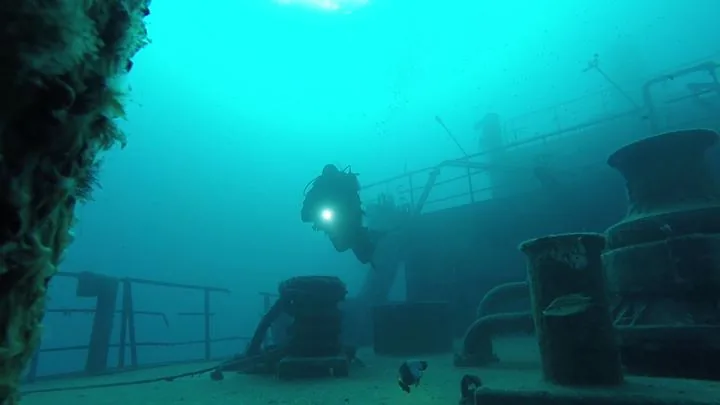
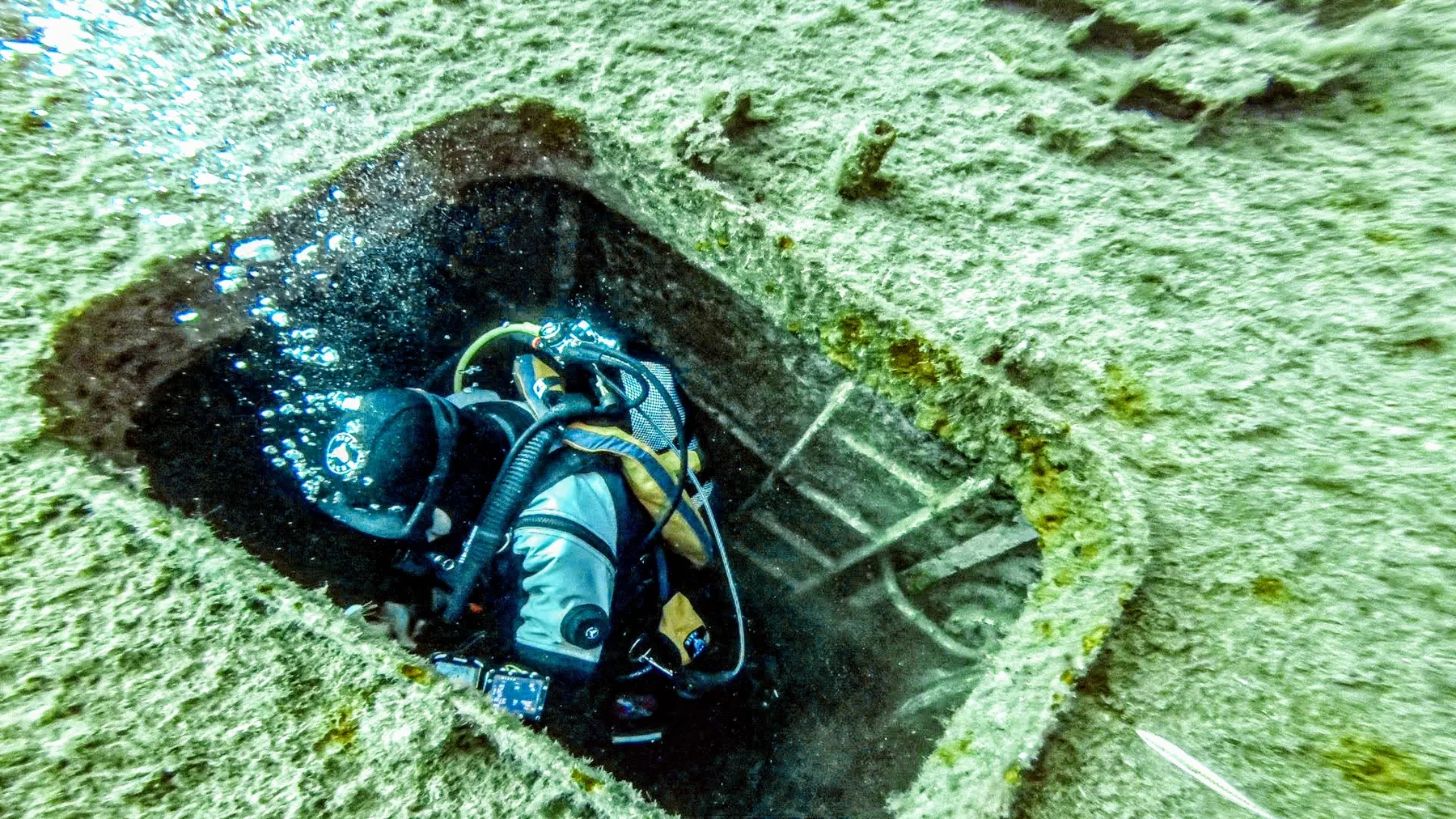
Novice divers may find themselves in challenging conditions, such as strong currents or limited visibility, wrongly assuming their ability to navigate them. Under the influence of the Dunning-Kruger effect, they may not fully comprehend the risks associated with these conditions, leading to potentially hazardous situations.
Overconfidence in Untrained Diving
A planner cannot prove that a dive is safe, but it can force depth, time, gas, reserve and contingency assumptions into the open instead of leaving them to confidence or memory. Cross-check the numbers in the BusaBoy Dive Planner →
Some divers, influenced by the Dunning-Kruger effect, may believe they can dive safely without formal training or certification. This overconfidence can result in a lack of understanding of proper techniques and safety procedures, increasing the likelihood of critical errors underwater.
Mitigating the Dunning-Kruger Effect in SCUBA Diving:
Honest Self-Assessment
Divers must engage in honest self-assessment, acknowledging their current skill level and recognizing areas where improvement is needed. This awareness is crucial for making informed decisions about the types of dives they can safely undertake.
Seeking Proper Training and Certification
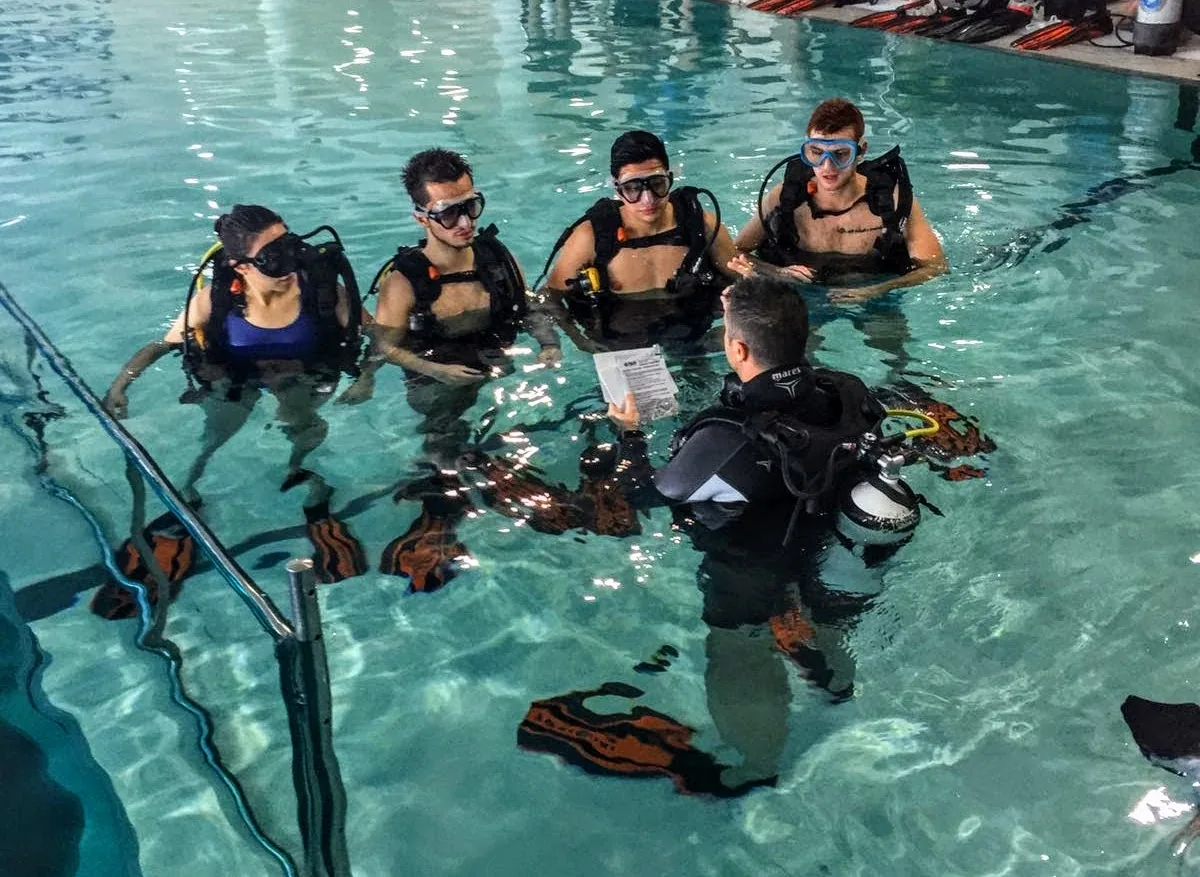
Formal training and certification are fundamental to safe SCUBA diving. By investing time in educational programs, divers acquire the knowledge and skills necessary to handle various situations underwater. This not only enhances personal safety but contributes to the overall well-being of the diving community.
Continuous Education and Adherence to Safety Guidelines
Staying informed about the latest developments in SCUBA diving, including safety guidelines, is essential. Divers should commit to ongoing education, attending workshops, and keeping abreast of industry best practices to ensure they remain competent and capable in their pursuits.
Conclusion:
The allure of SCUBA diving is undeniable, but the Dunning-Kruger effect poses a real threat to the safety of divers. By acknowledging this cognitive bias and taking proactive steps to mitigate its impact, divers can create a safer underwater environment for themselves and their peers. Honesty about one's abilities, a commitment to ongoing education, and adherence to safety protocols are the keys to enjoying the wonders of SCUBA diving responsibly and to the fullest.
Thank you for reading my blog. I hope you found the information and insights we shared to be valuable. Your thoughts and feedback are important to me, so please don't hesitate to leave a comment below. I'd love to hear your thoughts on the topic and any questions you may have. Additionally, if you found this blog helpful, please consider sharing it with your friends and colleagues on social media. Your support helps me to continue providing valuable content like this. Thanks again for reading!
Enjoyed this article? If you'd like to help keep the BusaBoy Archive online, you can support the archive via PayPal.