Originally published on 14 March 2023 and transferred from the original BusaBoy blog in 2026.

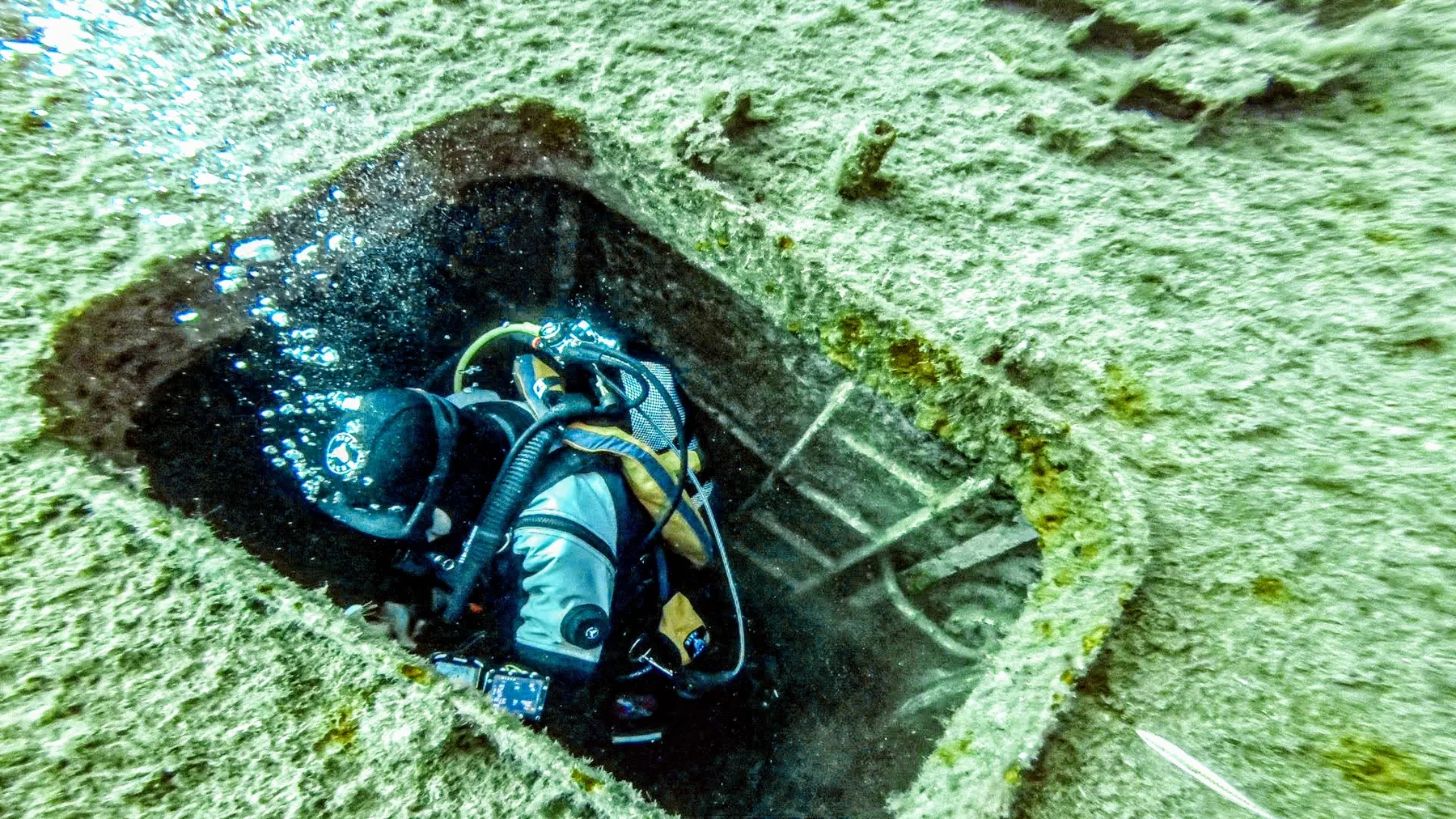
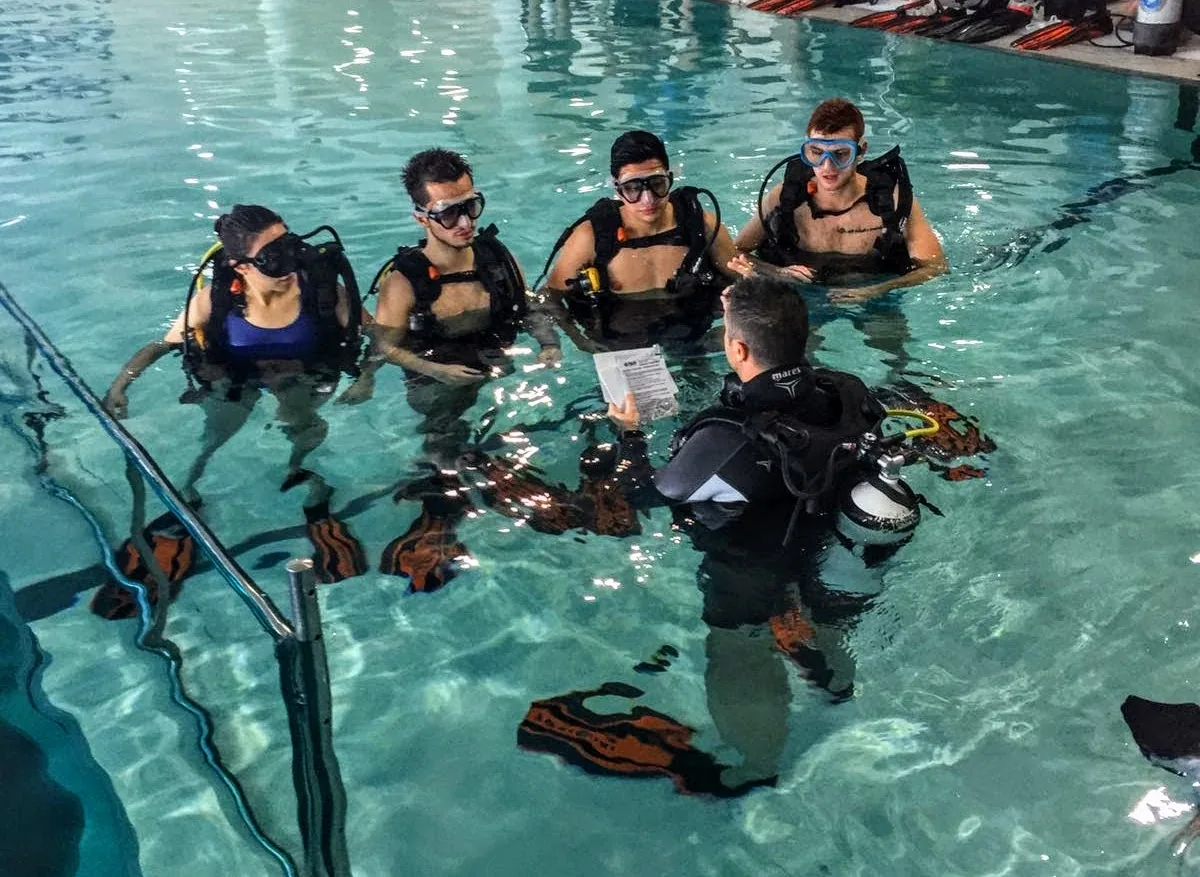
Working as a SCUBA diving instructor can be both meaningful and rewarding in many ways.
Firstly, as a SCUBA diving instructor, you have the opportunity to share your passion and knowledge of the underwater world with others. You get to teach people how to dive safely and responsibly, and introduce them to the beauty and diversity of marine life.
Secondly, working as a SCUBA diving instructor allows you to travel and explore different diving destinations around the world. You get to see and experience some of the most breathtaking and unique diving spots, and meet people from all walks of life.
Thirdly, as a SCUBA diving instructor, you also have the chance to make a difference in the world. Diving can be a powerful tool for conservation, and you can help educate and inspire others to protect our oceans and its inhabitants.
Finally, being a SCUBA diving instructor is a rewarding career choice as it allows you to make a living doing something you love. It can be physically and mentally demanding, but the sense of accomplishment and satisfaction you get from helping others achieve their diving goals makes it all worth it.
In conclusion, working as a SCUBA diving instructor is a meaningful and rewarding experience that allows you to share your passion, travel, make a difference, and do what you love. It is a unique and fulfilling career that allows you to combine your love for diving and teaching, and make a positive impact on others and the world.
Thank you for reading my blog. I hope you found the information and insights we shared to be valuable. Your thoughts and feedback are important to me, so please don't hesitate to leave a comment below. I'd love to hear your thoughts on the topic and any questions you may have. Additionally, if you found this blog helpful, please consider sharing it with your friends and colleagues on social media. Your support helps me to continue providing valuable content like this. Thanks again for reading!
Enjoyed this article? If you'd like to help keep the BusaBoy Archive online, you can support the archive via PayPal.