This former Blogger draft was fully rewritten, fact-checked and updated in July 2026.
During a dive with a group of beginners, one diver began to lose control of their breathing and move toward panic. Their buddy noticed the change, stayed close and signalled me before the situation developed further.
What helped was not heroic rescue. It was early observation, calm communication and a shared decision to end the problem before it became an emergency.
A buddy is not a guarantee
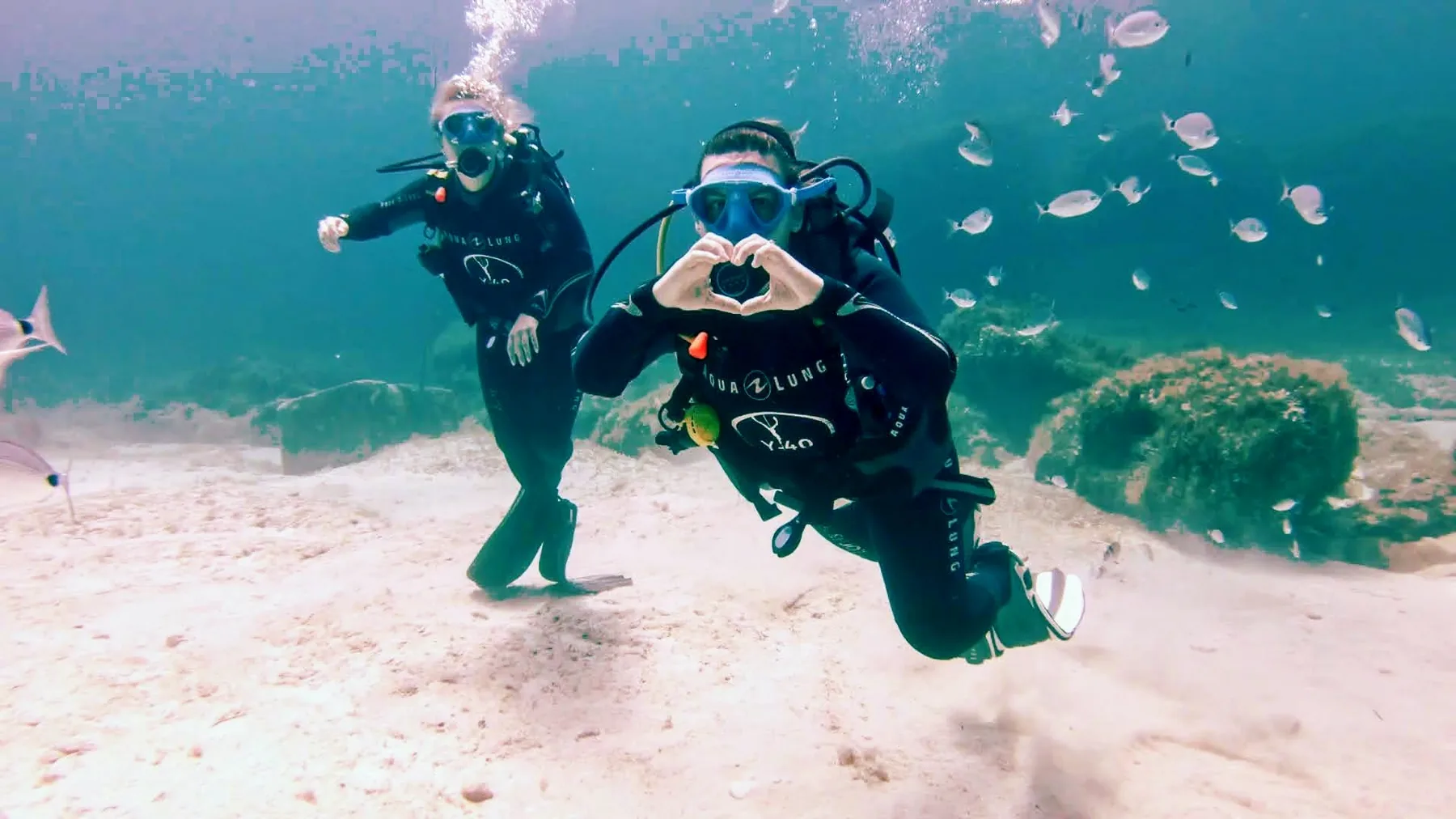
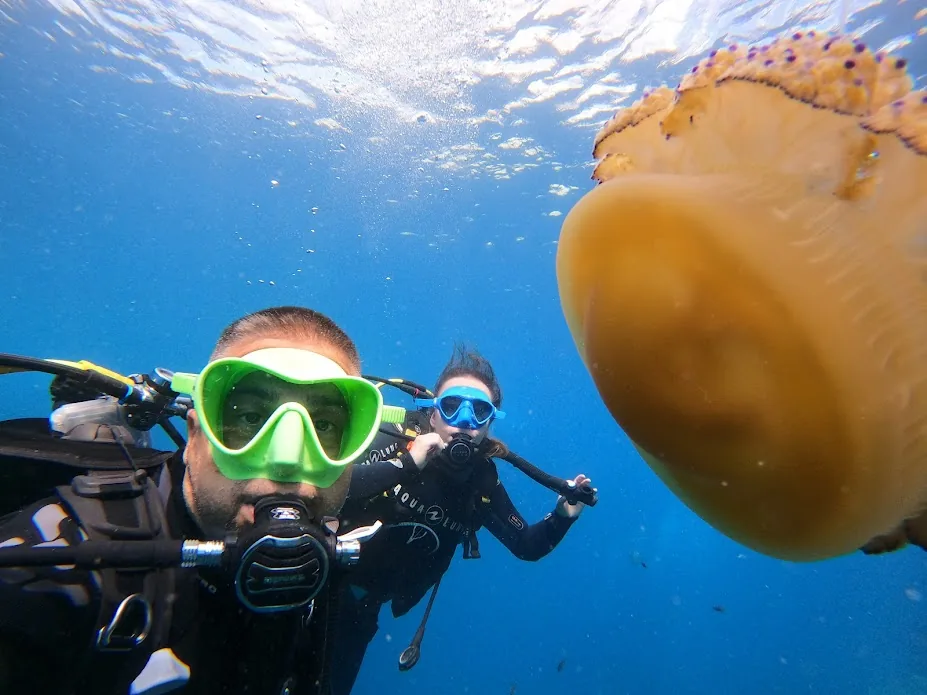
The buddy system creates an additional layer of awareness and assistance, but it works only when both divers remain close enough to communicate, monitor gas and recognise a problem. Two distracted divers are not automatically safer because they entered the water together.
Plan before entering
- Agree the route, maximum depth, time and turn pressure.
- Review hand and light signals, including low gas and ending the dive.
- Decide who leads and how position will be maintained.
- Agree the lost-buddy procedure appropriate to the environment.
- Discuss equipment differences and emergency actions.
The pre-dive check is a conversation
A buddy check is not a recital of letters. Each diver should know how the other’s releases, alternate gas source, weights and valves work. The check is also the moment to notice stress, confusion or equipment that has been assembled differently from the briefing.
What happened on that dive
The buddy did not grab or rush the distressed diver. They made contact, signalled slowly and attracted my attention. We reduced the task, controlled position and returned safely. The lesson was that calm behaviour is contagious—but panic can be contagious too.
Different disciplines, different procedures
Solo or self-reliant diving exists as a separately trained discipline with redundant equipment and specific risk management. It should not be confused with accidentally becoming separated from a buddy or deciding that experience makes teamwork unnecessary.