A direct review of which purchases survived long-term use.
A direct review of which purchases survived long-term use. I like new technology, but I am more interested in what it removes or improves than in how new it looks.
When new technology earns its place
Some products have become automatic re-purchases because they solve a recurring problem with very little friction. Others were good for a period of my diving but would not be the first choice if I started again today.
The interesting part is explaining the reason for the change rather than ranking brands. This article should be updated periodically because technology, my diving and the market all move.
The practical point
For me, progress is real when it creates a simpler, more reliable diver - not merely a longer shopping list.
What survives my own re-buy test
The equipment most likely to be bought again is not necessarily the newest. I would return quickly to the core ideas behind the Katana 2 sidemount system, Apeks DST/XTX50 regulators, Perdix 2, the RK4/F1 roles and a drysuit that genuinely fits. I would also rebuild the tiny practical solutions—the boxes, retainers, pressure backup and transport supports—because they remove friction every week.
Things I would not automatically rebuy include equipment that belonged to an earlier phase simply because I once liked it. The Go Sport is a good example of a product that served me well but no longer owns the everyday role.
Technology is useful when it removes work
I am interested in new equipment when it makes the system cleaner, provides genuinely useful information or removes an unnecessary component. Wireless gas integration is a good example: once I was comfortable treating transmitters as my primary pressure source, I could replace short-hose SPGs with tiny mechanical button gauges while gaining richer pressure/consumption information at the wrist. That is modernisation serving minimalism.
The same possibility exists in lighting. Battery and LED development can make powerful independent lights smaller and longer-running. That does not mean a canister light is suddenly obsolete; it means the old assumption that long runtime always requires a large canister and cable deserves periodic re-evaluation.
Newer is not automatically better
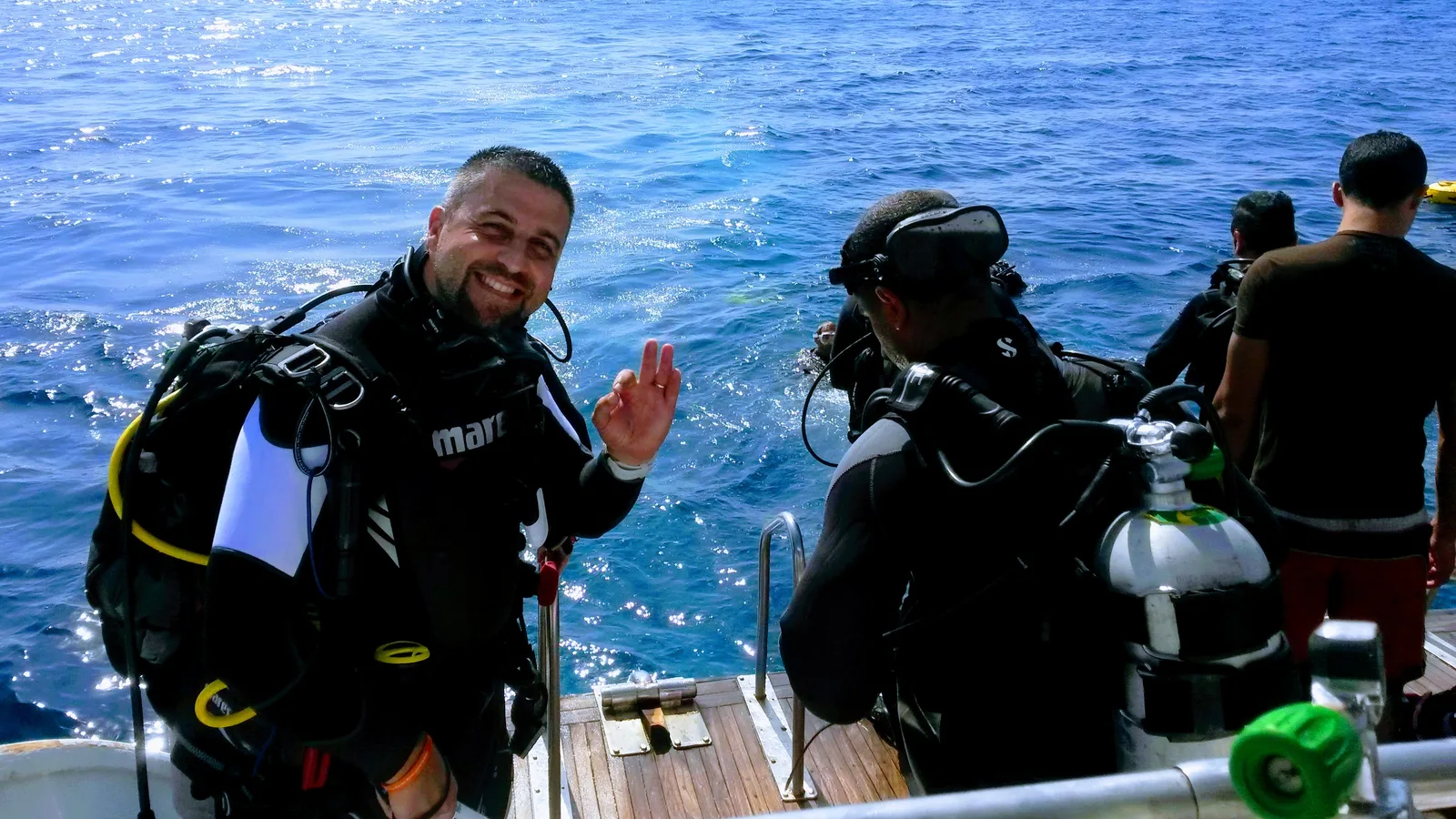
My old Scubapro 3 mm still goes diving because it still works. My Mares Quad has accumulated an enormous amount of use and continues to earn its backup role. Replacing functioning equipment simply because a new model appears can be expensive without solving a real problem. I upgrade when the new capability changes the dive, reliability, ergonomics or safety case enough to justify the cost.
Buy quality, but buy the right quality
“Buy once, cry once” is attractive advice, but it can become another slogan. Expensive equipment bought before a diver understands their needs can be an expensive mistake. My own early purchases taught me exactly that. The better sequence is to understand the mission, fit and configuration first, then spend where the consequences of poor performance or repeated replacement make quality worthwhile.
The upgrade question I keep returning to
Will this new product let me do something I genuinely need, do the same thing more reliably, or remove enough complexity to justify changing a system I already understand? If the answer is only “it is newer,” I wait. Technology is most valuable after the novelty becomes normal and the practical advantage remains.
Explore related topics
This article stands on its own, but these pages go deeper into the parts that connect directly with it: